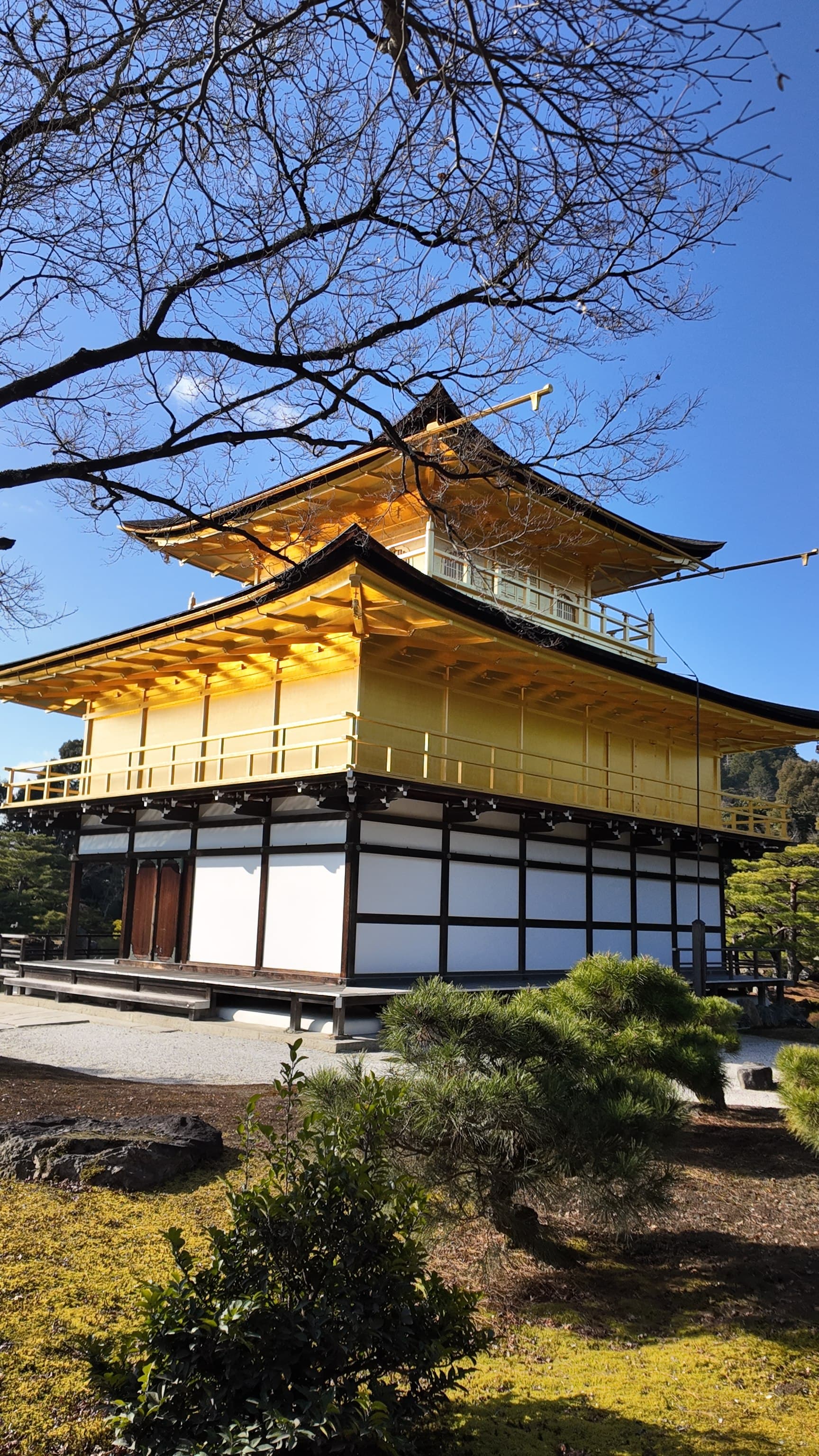
Kinkaku-jiTickets, Visiting Route, Transport & Highlights
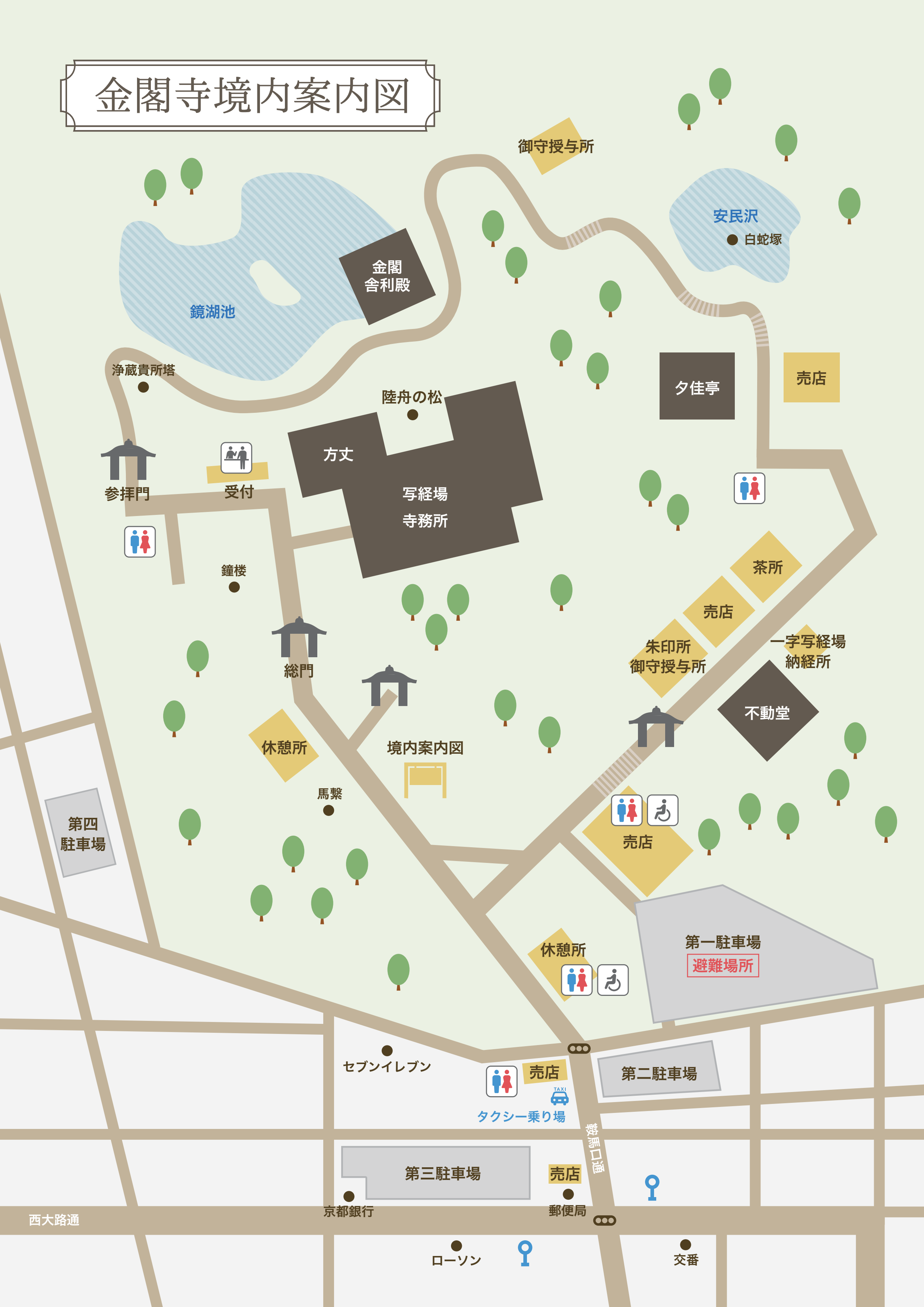
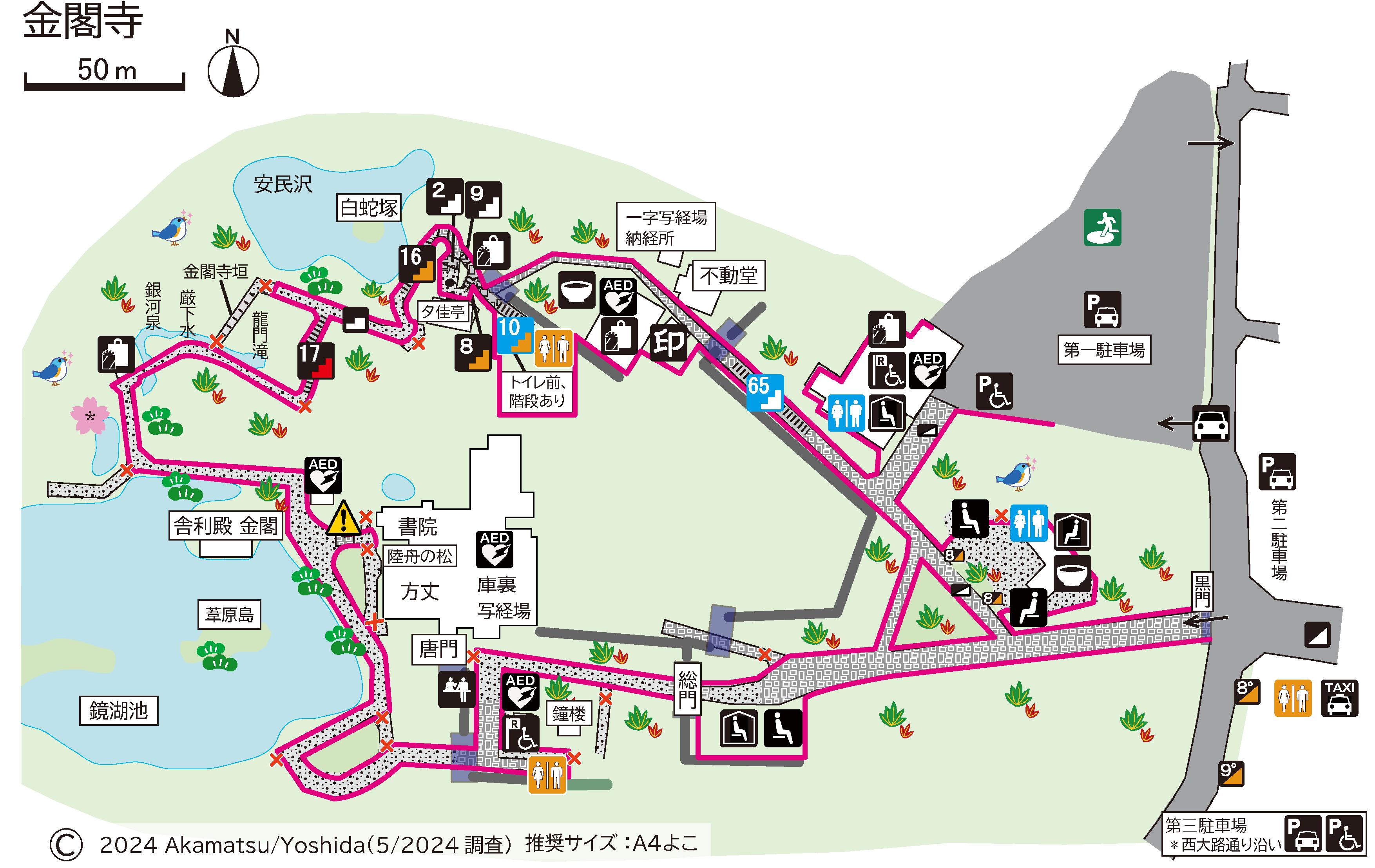
Kinkaku-ji's official name is Rokuon-ji, and there is more than the golden reliquary hall beside Kyokochi Pond. Continue through the grounds to Gingasen Spring, Ryumon Falls, Anmintaku Pond, Sekkatei and Fudo-do. This guide brings together transport, admission and a route that follows the grounds in order.
The main route takes about 45-60 minutes. Allow extra time for photos and busy periods.
Open year-round. Temporary changes are governed by the official website and on-site notices.
High-school students and older: 500 yen; elementary and junior-high students: 300 yen.
Follow signs from the bus stop. From Kyoto Station, rail followed by a bus is recommended.
Is Kinkaku-ji the Temple's Real Name? Officially, It Is Rokuon-ji
Kinkaku-ji is its familiar common name; its official name is Rokuon-ji, a temple of the Shokoku-ji branch of Rinzai Zen. The site was once a Saionji family villa. After acquiring it, Ashikaga Yoshimitsu, the third Muromachi shogun, began building Kitayama-dono in 1397. Following his death, it became a Zen temple according to his wishes, taking two characters from his Buddhist name, Rokuon-in-den.
The Golden Pavilion, a reliquary hall beside Kyokochi Pond, is the temple's best-known building. The official introduction states that pure gold leaf covers the lacquered second and third floors, with a phoenix on the roof. Its three levels combine aristocratic shinden architecture, warrior-residence architecture and Chinese-style Zen hall architecture. Knowing these details makes the visit more than a quick reflection photograph.
 (Chinese)
 (Chinese)